
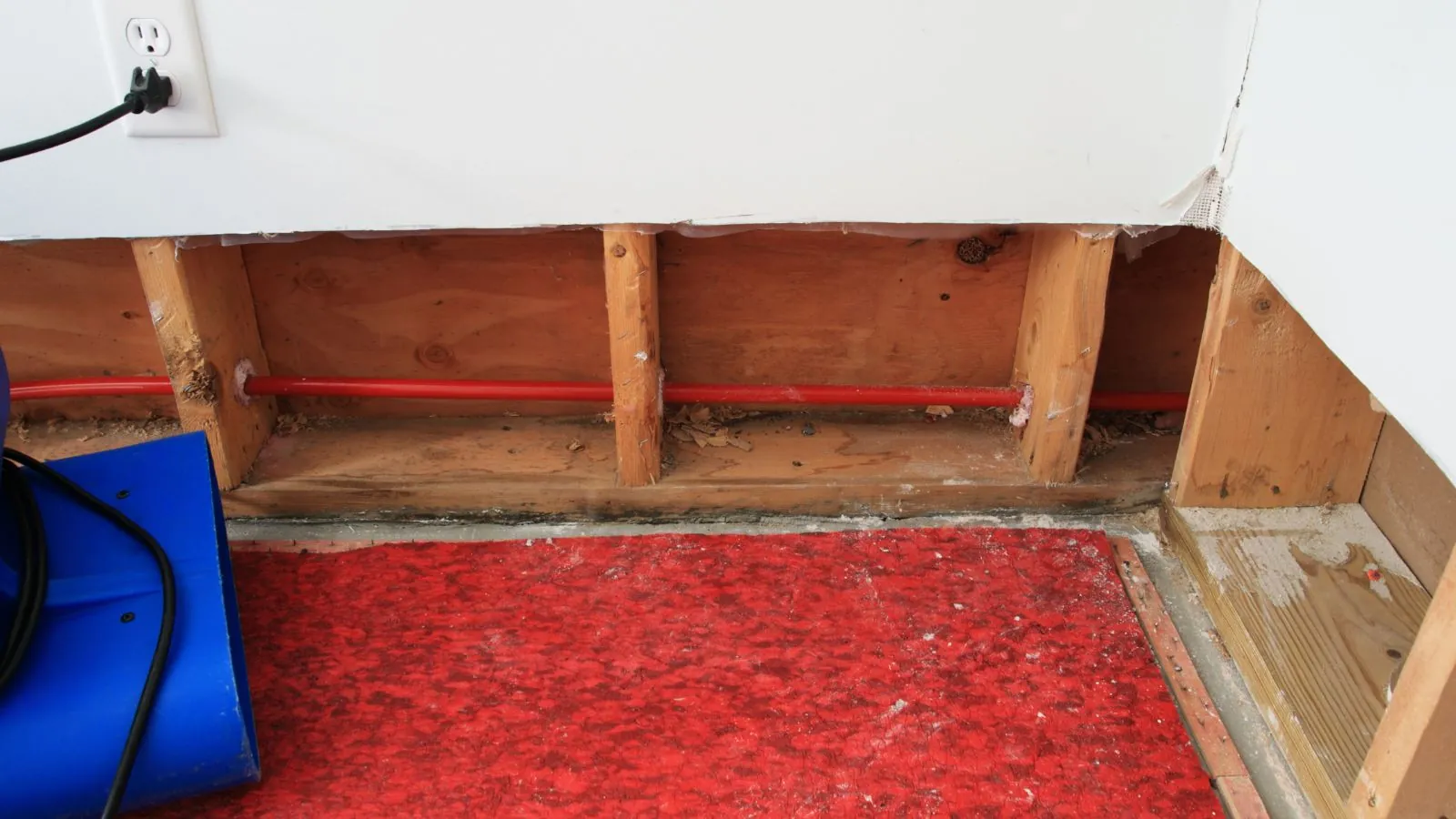
Basement water damage cleanup removes water from below-grade rooms, dries the structure and sorts out what to keep. A basement is the low point of the house, so water from almost any source ends up there: rain, a failed sump pump, a drain backup or a leaking pipe on the floor above.
Callers often say the basement is flooded and musty, or that water is coming in after rain. The cleanup steps are the same, but the cause decides what happens next. Cleanup handles the damage. It does not stop water from returning.
When a basement flood is an emergency
If water is rising in the basement, stay off the stairs when water touches the furnace, panel or outlets. Call the line, which is open 24/7, and tell the dispatcher how deep the water is. Do not enter a basement with standing water if the panel or any appliance is underwater, and call the utility or 911 for electrical risk.
If water is shallow and the area is clear of electrical hazards, lift boxes and stored items off the floor and photograph the waterline. Do not use fans on sewage or floodwater.
Sump pump failure and basement seepage
A sump pump that stops during a storm, whether from power loss or a worn motor, lets groundwater rise through the floor edge. Cleanup after the failure is the restoration job. Repairing or replacing the pump belongs to a plumber or waterproofing contractor, and this line cannot replace one.
Seepage through walls after rain can leave a damp line along the base of the wall. Drying the wall and floor, then checking for hidden moisture, is the cleanup. Stopping the seepage is a drainage question.
Finished basements and stored contents
Finished basements hold carpet, drywall, insulation and furniture, all of which wick water. Carpet and pad are often removed, and drywall is cut above the wicking line. Unfinished basements are quicker, since concrete and masonry dry well once the water is gone.
Boxes of papers and photographs deserve care. Lift them off the floor, spread them in a dry room and call for guidance before throwing anything out. Contents are sorted into what can be cleaned and what cannot.
Water still spreading?
For basement water damage in Paramus, a dispatcher is on the line around the clock. Call (833) 521-1033.
Musty smell and mold after a flood
Basements are slow to dry because the air is cool and damp. A crew uses dehumidifiers sized for the space and air movers aimed along the walls, and checks readings each visit. If a musty smell remains, moisture is probably still in a wall or the floor edge.
Visible growth is a signal to stop and read the mold remediation page. Dry materials first, test and remove growth second. Drying methods are explained on structural drying.
Restoration is not waterproofing
If water enters every time it rains, restoration alone will not solve it. A waterproofing contractor can look at grading, gutters, footing drains and wall cracks. Restoration is what you call after the water has already come in, and it works well when the entry point is fixed.
Basement water sources and what happens next
| Source | Water category | Cleanup priority |
|---|---|---|
| Sump pump failure | Category 2 or 3, groundwater | Extraction and drying, then pump repair |
| Seepage after rain | Category 2, groundwater | Drying, then drainage review |
| Drain backup | Category 3 | Protective cleanup, see sewage page |
| Plumbing leak above | Category 1 at first | Find the leak, dry fast |
What affects basement cleanup cost
Basement jobs range from a small seepage to a gutted finished room.
Depth and duration
Water that stood for days soaks deeper into walls and floors.
Finished or unfinished
Drywall, carpet and trim add scope.
Water category
Groundwater and sewage need protective steps.
Drying time
Cool basements dry slowly and may need more equipment days.
Scope and price for basement water damage are explained before work starts. Call (833) 521-1033 and describe the water, the rooms and what you can see.
Basement water and coverage
Homeowners policies exclude flood, and the state guide says sewer backup or sump pump overflow may be added by a limited endorsement. Check whether you have it. Ask your insurer how they treat groundwater seepage and keep every receipt and photo.
Basements in Paramus
Basement exposure depends on the street. Check the FEMA flood map for your address and ask the borough about drainage issues near you. The Dunkerhook area is the neighborhood with the most thoroughly documented brook flooding. Nearby, Emerson and Washington Township have their own drainage patterns.
Basement Water Damage questions
Why does my basement smell musty after it dried?
Moisture is probably still in a wall, the floor edge or stored materials. A crew can read the moisture and find it. Do not paint over it.
Is it a restoration or a waterproofing job?
If water already came in, restoration. If water keeps coming in, waterproofing is a separate trade and should follow cleanup.
Can wet carpet in a basement be saved?
Sometimes, if the water was clean and the carpet is lifted quickly. Pad is usually discarded. See carpet water damage for details.
Do you handle basement water damage emergencies at night or on weekends in Paramus?
Yes. A flooded basement at night is a common call, and the line is answered 24/7. Call (833) 521-1033.