
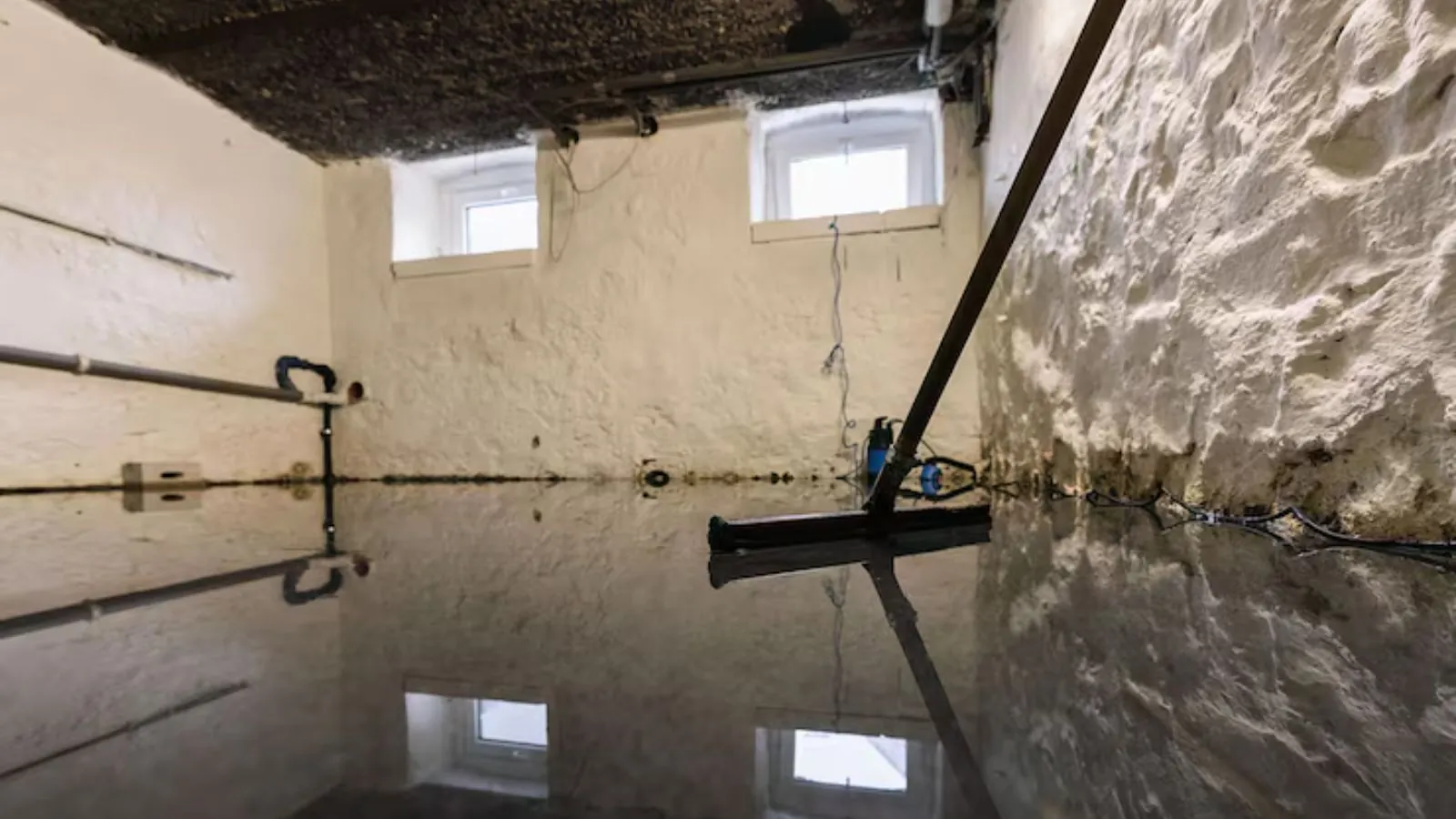
Wall and drywall water damage repair dries wet wall cavities, removes drywall that cannot be saved and rebuilds the wall. Drywall is paper-faced gypsum, and it absorbs water, softens and can grow mold if left wet.
Signs include stains, bubbling paint, soft spots, a musty smell or a wall that feels cool and damp. Some of these appear days after the leak.
How drywall reacts to water
Gypsum wicks water upward. A wall that sat in an inch of water may be wet well above that line. Paint blisters, tape lifts and the board crumbles when wet for long.
Drywall that is clean and wet for a short time can sometimes dry in place. Contaminated or long-wet board is cut out.
Flood cuts and cavity drying
A flood cut removes drywall a set height above the water line, often 2 feet or so, so insulation behind can be removed and the cavity dried. Small holes may be drilled to push air into the cavity instead.
Moisture readings guide the choice. See structural drying for the method and burst pipe damage for a common cause.
Water still spreading?
For wall and drywall water damage in Paramus, a dispatcher is on the line around the clock. Call (833) 521-1033.
Rebuilding the wall
After the cavity is dry, new insulation and drywall are installed, then taped, finished and painted. Painting over a damp wall fails. Texture matching is a finishing detail to discuss.
For ceilings, see ceiling water damage repair.
Mold in walls
Growth behind a wall can appear as dark spots or a smell. Do not cut into it casually. Read mold remediation for how it is handled.
Hidden wall leaks
A stain that returns after a dry spell points to a leak inside the wall, such as a pipe or a window flashing. A plumber or roofer finds the source, and we dry and rebuild.
Checking a wall without cutting it
A moisture meter on the wall surface shows whether water is still present, and a thermal camera shows cooler wet areas through the paint. Tapping a wall can also tell you something, since wet board sounds dull. These checks let the crew open only what needs opening.
Homeowners can look for bubbling paint, a stain with a darker edge, a swollen baseboard or a soft patch near the floor. Any of these is worth a call.
Insulation and electrical inside walls
Wet insulation loses its value and holds water against the board, so it is removed. Outlets and switches in a wet wall should be treated carefully, and power to that circuit should stay off until it has been checked. An electrician should clear any wiring that got wet.
Restoration covers drying and rebuilding. Electrical and plumbing repairs belong to licensed trades.
Timing the rebuild
Walls are closed only after readings show the cavity is dry. Closing early traps moisture and can cause the stain or smell to return. If a schedule is tight, such as a home sale or a tenant move-in, tell the dispatcher so the plan fits.
Ask for the drying log, which shows the readings that justified closing the wall.
Drywall decisions
| Condition | Usual action |
|---|---|
| Clean water, short exposure | Dry in place |
| Soft or crumbling board | Cut out |
| Contaminated water | Cut out and remove insulation |
| Stain only | Find the source, then repair |
What affects wall repair cost
Cost depends on how much board is removed and rebuilt.
Wall area
More wall means more cutting and finishing.
Insulation
Wet insulation is replaced.
Finish level
Texture and paint matching add time.
Drying days
Cavities dry slowly.
Scope and price for wall and drywall water damage are explained before work starts. Call (833) 521-1033 and describe the water, the rooms and what you can see.
Walls and coverage
Coverage depends on the cause of the leak. Photograph walls before cutting and keep records of the plumbing repair.
Walls in local homes
Older Paramus homes may have plaster. Ask the crew about wall type. The service reaches Emerson and Oradell. For flooded walls, see flood damage restoration.
Wall and Drywall Water Damage questions
Can wet drywall be dried?
Sometimes, if it is clean water and caught early.
How high is a flood cut?
Usually a couple of feet above the wet line. Readings decide.
Will the wall match?
Paint and texture can be matched closely. Exact color depends on the existing paint.