
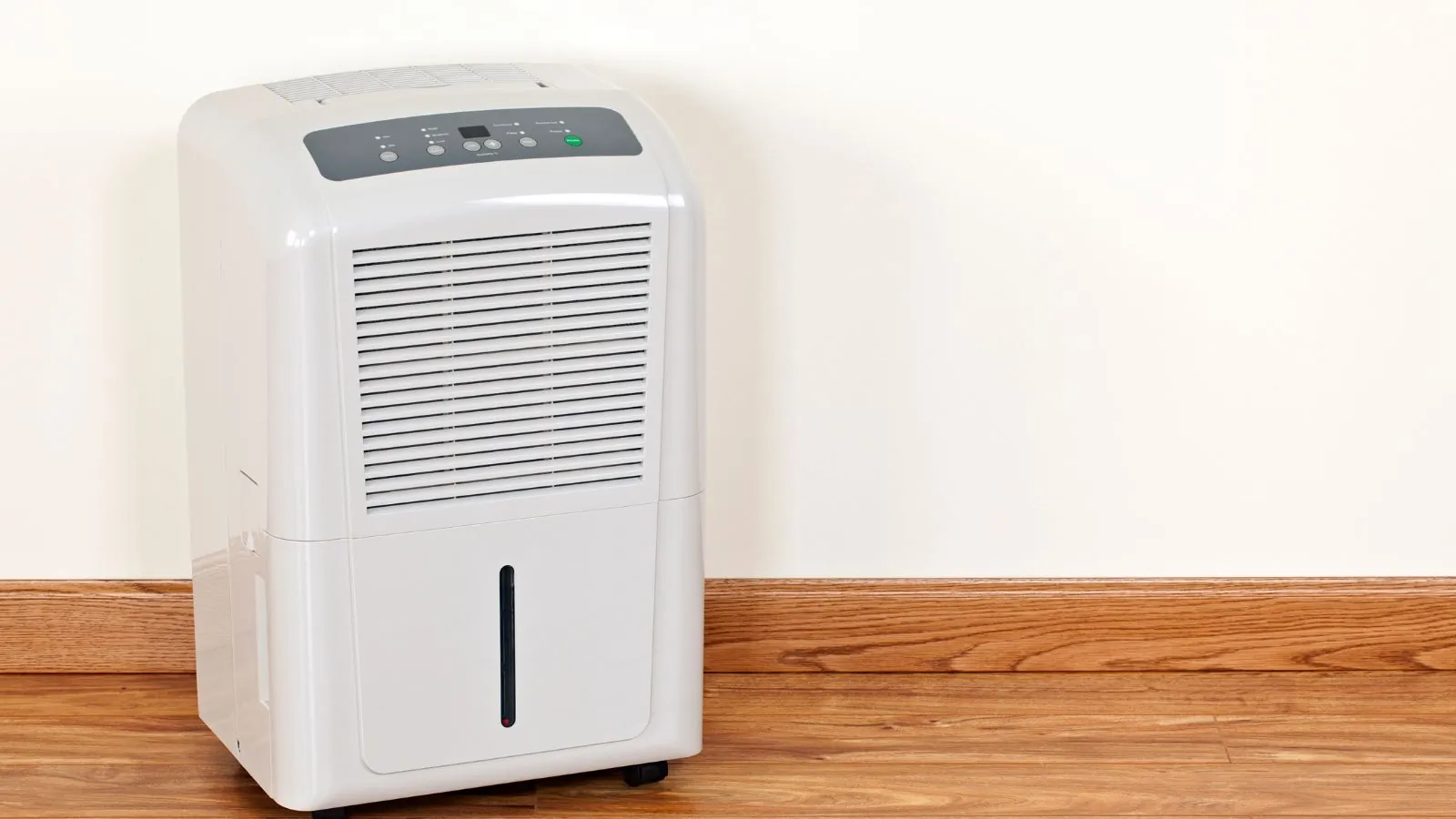
Structural drying and dehumidification is the process of removing moisture from building materials and air after a water loss. It uses air movers, dehumidifiers and moisture meters, and it ends when readings reach a dry standard, not when the surface feels dry.
This is also where the term water mitigation lives. Mitigation means stopping further damage, and drying is the heart of it. The work follows ANSI/IICRC S500, the published standard for water damage restoration.
Wet walls, damp floors or a house that still feels humid?
Those are the symptoms. The trade names them structural drying, and it starts with finding where the moisture is hiding. A crew maps it with meters and thermal imaging and then plans the equipment.
Moisture mapping
Moisture mapping is the process of reading moisture at points across floors, walls and ceilings and marking the wet zones. Meters read materials, thermal cameras show temperature differences from wet areas, and hygrometers read the air.
The map shows where equipment goes and gives a baseline. Readings are repeated each visit to show drying progress.
Air movers and dehumidifiers
Air movers push air across surfaces to evaporate water, while dehumidifiers pull the water vapor out of the air. Low grain refrigerant dehumidifiers work well in cool damp spaces. Equipment is placed on the job and monitored by the crew, which is why it is not rented out.
How long drying takes varies with the materials and the weather. Many structures take several days, and the end is determined by readings.
Water still spreading?
For structural drying in Paramus, a dispatcher is on the line around the clock. Call (833) 521-1033.
Materials and what can dry in place
Concrete and framing dry in place. Drywall may dry in place if clean water and caught early. Insulation and carpet pad often need replacement. Hardwood depends on how fast the water was removed, see hardwood floor repair.
Wall cavities may be opened to let air in, which is covered under wall and drywall repair.
Documentation
Daily readings, equipment logs and photographs create a record. Insurers often ask for it. The record also shows the structure was dry before it was closed, which helps prevent mold. See mold remediation if growth appears.
Drying goals and the standard
ANSI/IICRC S500 describes drying goals in terms of a dry standard, which is the moisture level of the same material in an unaffected part of the building. The crew takes reference readings in a dry room and compares. A wall is dry when it matches that reference, not when it feels dry.
This is why readings are logged each visit. When the numbers stop dropping and reach the standard, equipment comes out.
Why homes stay damp after a leak
Closed wall cavities, thick subfloors and carpet pad trap water that a surface towel never reaches. Without air movement, that water leaves slowly and raises indoor humidity, which fogs windows and smells musty. Opening a window in humid weather can make it worse.
Running your own household fans without dehumidifiers often moves the moisture to another room. Controlled equipment placement keeps it contained.
When drying is not enough
Some materials are not worth drying. Wet insulation, saturated carpet pad and contaminated drywall are removed. Growth that has already started needs the steps on the mold remediation page.
If you are deciding between doing it yourself and hiring a crew, remember that meters and logs are what separate a dry building from one that only looks dry.
Drying equipment explained
| Equipment | Job | Typical placement |
|---|---|---|
| Air mover | Moves air across wet surfaces | Floors and low walls |
| Dehumidifier | Pulls moisture from the air | Center of the room |
| Moisture meter | Reads moisture in materials | During mapping and checks |
| Thermal camera | Finds hidden moisture | Walls and ceilings |
What affects drying cost
Drying is priced by how much equipment runs and for how long.
Affected area
More wet square footage means more equipment.
Materials
Dense materials dry slowly.
Drying days
Readings decide when to stop.
Humidity
Wet weather slows drying.
Scope and price for structural drying are explained before work starts. Call (833) 521-1033 and describe the water, the rooms and what you can see.
Drying and insurance
Drying records help document the loss. Coverage depends on the cause and your policy. Ask your insurer.
Drying in northern New Jersey
Summer humidity and winter cold both change drying time. The same service reaches Oradell and Emerson. For standing water, start with water extraction.
Structural Drying questions
How long does drying take?
It depends on materials and conditions. Readings decide, not the calendar.
Can I rent the equipment?
No. Equipment is placed and monitored by the crew on the job.
What is moisture mapping?
Reading moisture across materials to find wet zones.