
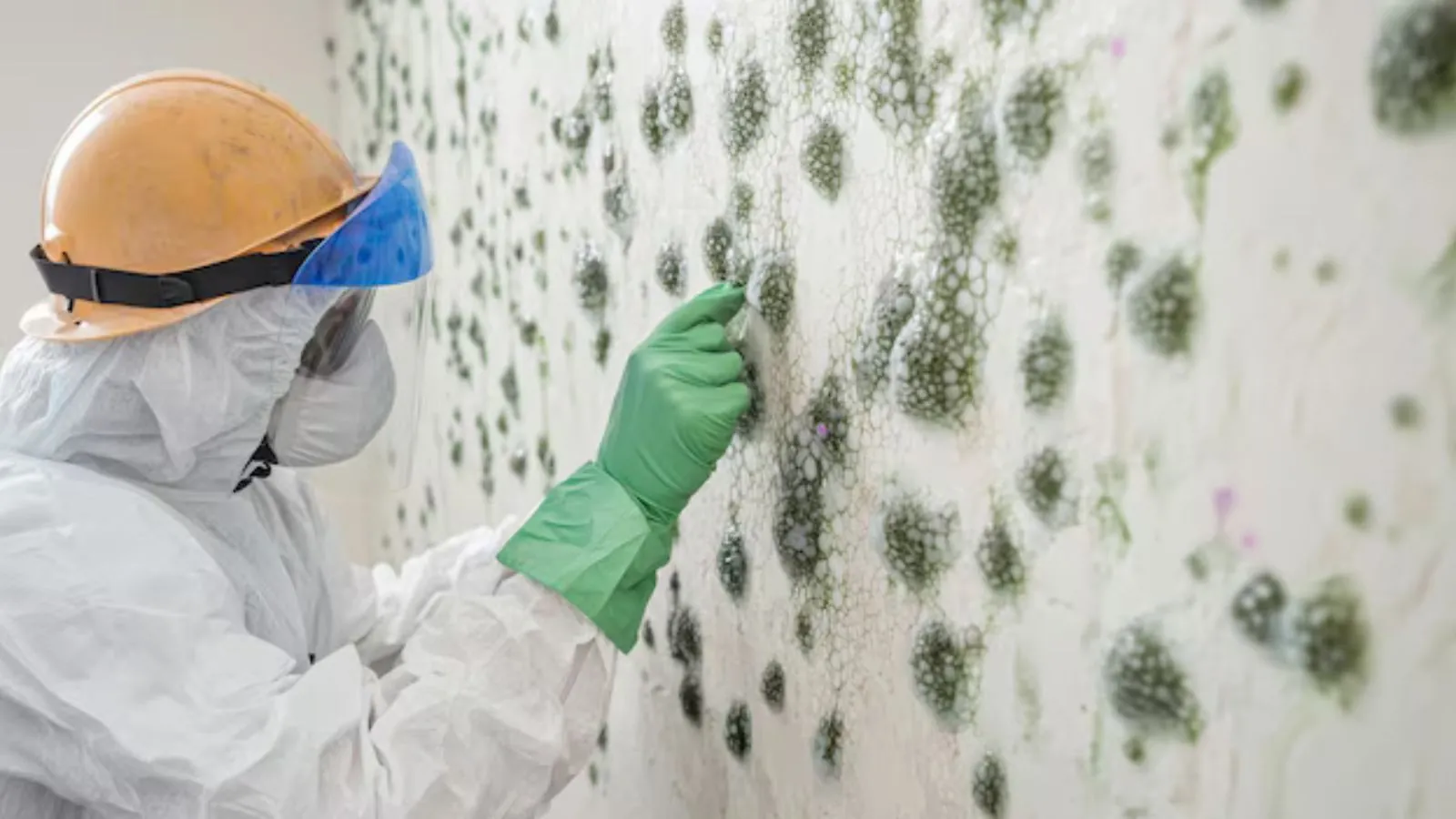
Basement mold cleanup is not always a job for a crew. A small patch of surface growth on a hard, non-porous surface, caught early and with a clear cause, is something many homeowners handle with ordinary cleaning supplies. The trouble is that people often underestimate the size of the problem and skip the moisture fix.
This guide covers where the do-it-yourself approach works and where it stops. It makes no health claims. If you or a family member has a medical concern about indoor air, talk to a physician.
What counts as a small job
Industry guidance for mold, including ANSI/IICRC S520, ties the response to the size and type of the affected area. A few small spots on a tile, sealed concrete or a plastic surface are the easy case. A patch that covers a large wall, spreads under paint or sits on drywall, carpet or insulation is not.
If you are unsure how big the problem is, assume it is larger than it looks. Growth often continues behind surfaces, under carpet and inside wall cavities.
Fix the water first
Cleaning mold without fixing the moisture is a temporary repair. Find where the water comes from. Check for a leaking pipe, a failed window well, a dripping dryer vent and condensation on cold pipes. A dehumidifier that holds humidity in the range your local guidance recommends helps, and a plumber or drainage contractor fixes real leaks.
If the source was a flood or a sewage backup, do not clean growth yourself. See flood damage restoration and sewage backup cleanup.
DIY or crew: a quick guide
| Situation | Usually |
|---|---|
| A few small spots on a hard surface | Homeowner cleaning may be fine |
| Growth on drywall or insulation | Crew |
| Growth after flood or sewage | Crew |
| Growth that returns | Fix moisture, then crew |
| Large area or inside walls | Crew |
Basic protective steps
If you do clean a small area, wear gloves, eye protection and a respirator suited to the job, and keep children and pets out. Do not dry brush, scrape or blast the growth with a fan. Wipe with a damp cloth and a household detergent, then dry the surface fully.
Bag the cloths and discard them. Wash your clothes separately. Keep the room closed while you work, and shut off HVAC vents that blow into the space.
Materials that cannot be cleaned
Porous materials such as drywall, insulation, ceiling tiles and carpet padding hold growth inside them. Surface cleaning does not remove it, and the usual answer is removal and replacement. That step is where containment matters, because cutting into growth releases spores.
Wood framing can often be cleaned if it is structurally sound. A crew can tell the difference with moisture meters and inspection. The mold remediation page describes the process.
Why bleach is not the answer
Bleach can lighten stains on hard surfaces, but it does not penetrate porous materials, and it adds moisture. Mixing it with other cleaners can create hazardous fumes. Painting over growth does not stop it. Mold-blocking paint is not a replacement for fixing the moisture.
If a patch comes back after cleaning, the moisture source is still there. That is the signal to stop and bring in a crew.
When to call a professional
Call when the area is large, when it is inside a wall or ceiling, when it followed a flood or sewage loss or when it returns after cleaning. Call when you are renting and the landlord must be involved, or when a sale or insurance claim needs documentation.
A crew will contain the area, remove affected materials, dry the structure and arrange clearance testing. Ask for the scope in writing before work starts.
A realistic DIY example
Suppose you find a few dark spots on the sealed concrete wall of a basement laundry area, beside a window well that overflowed in the last storm. The surface is hard, the area is small and the cause is clear. Fix the window well drainage, wipe the wall, dry it and watch for return.
Now suppose the same spots are on the back of drywall under the stairs and the wall feels soft. That is a different job, because the board has to come out, and cutting into it without containment spreads growth.
Basements near the Saddle River and the Pascack Brook
Homes near the Saddle River in Paramus and along the brooks in Washington Township can take on groundwater after heavy rain. Hurricane Ida in September 2021 brought more than seven inches of rain to Teterboro, and regional storms like that leave basements damp for days. Check the FEMA flood map for your address, and dry the space quickly.
Questions about this topic
Is a few spots of mold a problem?
Small spots on a hard surface are often manageable. The cause still needs fixing.
Should I use a fan to dry it?
Not on visible growth. Fans spread spores. Use a dehumidifier and keep the room closed while working.
Can I paint over it?
No. Paint hides growth and does not remove moisture.
How do I know the moisture is gone?
A meter reading tells you. A crew can read moisture and log it.
The honest test for a DIY job is whether you can find the water, remove the growth and keep it dry afterward. If any of the three is unclear, call (833) 521-1033 and describe what you see.