
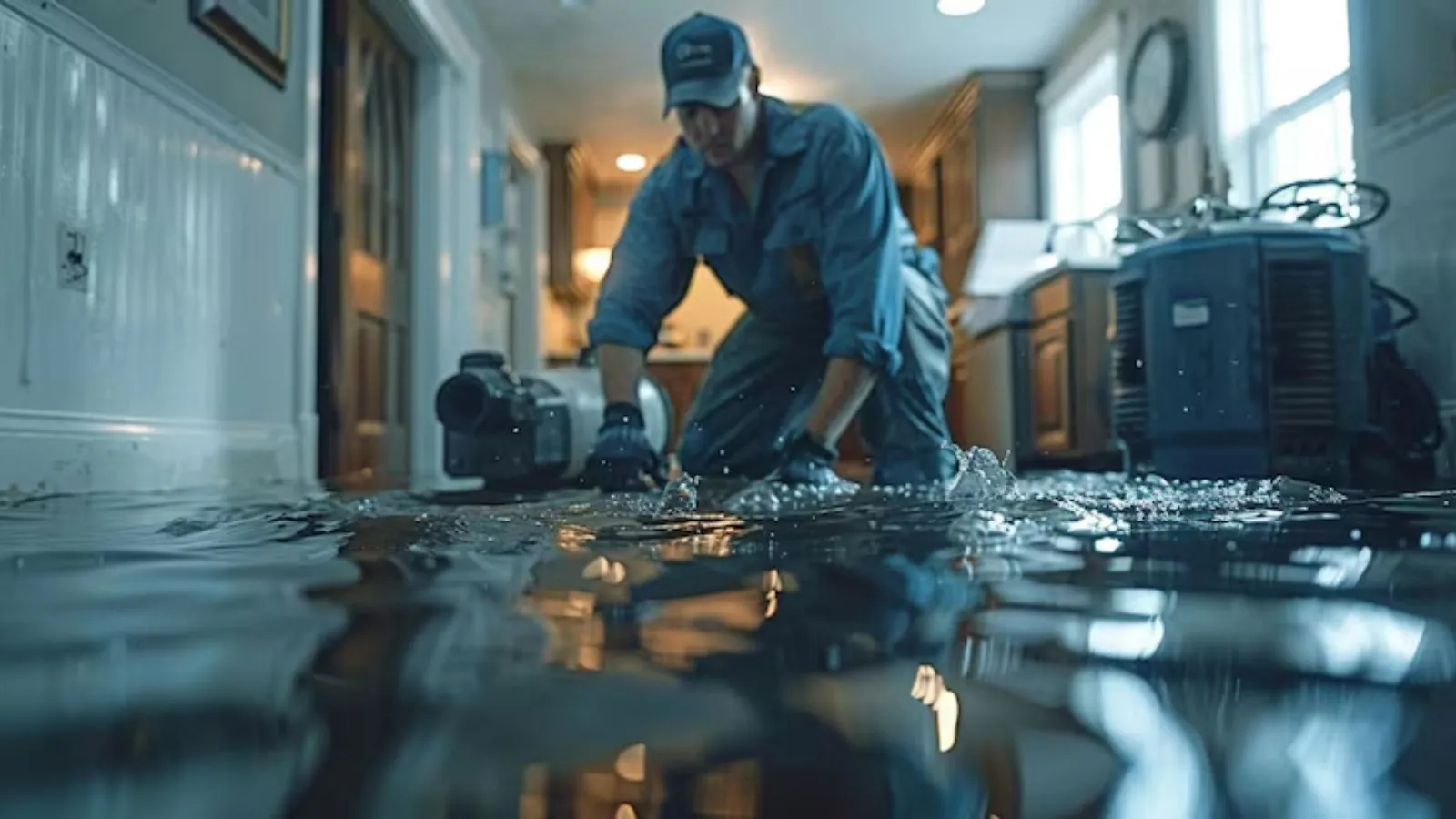
Homeowners insurance covers some kinds of water damage and excludes others, and the dividing line is usually the source of the water and how quickly it happened. A pipe that bursts suddenly is treated very differently from a floor that has been seeping for months, and both differ from rising floodwater.
This guide is general information. It is not legal or insurance advice, and your own policy is the document that controls. Read it, and call your insurer or agent with specific questions.
Sudden and accidental leaks
Many standard policies respond to damage from a sudden and accidental discharge, such as a supply line that bursts or a water heater that fails. The wording varies, so look for terms like accidental discharge or overflow in your policy.
The cost to repair the failed pipe itself is often treated differently from the damage it caused. Ask your insurer how your policy handles the access and repair of the pipe, and how it treats the resulting damage to walls, floors and contents.
Gradual leaks and maintenance
Policies commonly exclude damage from long-term seepage, wear, rust or lack of maintenance. A slow drip under a sink that went unnoticed for months may fall in this category. Insurers often look at how long the leak ran and whether it could have been noticed.
That is one reason to check under sinks, around water heaters and near appliances on a schedule, and to act on stains and musty smells right away.
Water damage sources and typical policy treatment
| Source | Commonly treated as | Ask your insurer |
|---|---|---|
| Burst pipe | Sudden and accidental | What the policy says about the pipe itself |
| Slow leak over months | Often excluded | How the policy defines gradual damage |
| Rising floodwater | Excluded from homeowners | Whether you have flood coverage |
| Sewer or sump backup | Excluded unless endorsed | Whether you have the endorsement |
Flood, sewer backup and sump overflow
The New Jersey Department of Banking and Insurance advises that homeowners policies exclude flood damage. Flood coverage is available through the National Flood Insurance Program or private insurers, and a new policy generally takes 30 days to take effect. You do not have to live in a mapped flood zone to buy it.
Sewer backup and sump pump overflow may be covered only through an optional endorsement with limits. Check your policy for it before you need it.
What to do after a loss
Report the loss as soon as you can. Take reasonable steps to prevent more damage, which may include drying the structure, and keep receipts. Photograph everything before it is moved, and cooperate with the adjuster. You can ask for a copy of the damage estimate.
You are not required to use a contractor your insurer recommends. If part of a claim is denied, the insurer must explain the exclusion. See flood damage restoration and water extraction for what a crew does while the claim is being sorted out.
Mold and coverage
Mold coverage is often limited or excluded, especially if the moisture source was a long-term problem. Quick drying is both the practical and the paperwork-friendly response, since it limits what grows. Read the mold remediation page for how growth is handled.
Questions worth asking your agent
Ask how your policy defines sudden and accidental, whether it covers the cost of tearing out and replacing materials to reach a leaking pipe and what the deductible is for water losses. Ask whether there is a separate limit for water backup and whether mold carries its own cap.
Write the answers down and keep the agent's name and the date. Policies renew, and endorsements change from year to year, so check at each renewal rather than once.
Reading the exclusions list
The exclusions section of a policy is where flood, earth movement, neglect and some kinds of seepage are named. Read it slowly, and mark each exclusion that could apply to a house with a basement. If a term is unclear, ask for a plain-language explanation in writing.
Many homeowners only read this section after a loss. Reading it before a loss gives you time to buy coverage that fills the gaps, including flood and water backup, and to understand which maintenance habits your insurer expects.
Keeping a home inventory
A short photo or video walk-through of each room, taken now, makes any future claim simpler. Store it somewhere other than the house. Add receipts for large purchases and the model numbers of appliances.
The same record helps you decide whether the limits on your policy still match what you own. See appliance leak damage for why appliances deserve a line in the inventory.
Coverage questions in Paramus and nearby towns
Paramus has a documented flood history, and the Bergen County hazard mitigation plan puts about 16 percent of the borough in the one percent or 0.2 percent annual chance floodplain. Hurricane Irene sent water into the Dunkerhook Road area in 2011, and homes in Oradell were flooded in April 2022. Check the FEMA flood map for your address, and ask about flood coverage before storm season.
Questions about this topic
How do I know if my policy covers sewer backup?
Look for a water backup or sump overflow endorsement in your declarations pages, or ask your agent directly.
Does a new flood policy start right away?
Usually not. The state guide says it generally takes 30 days.
Should I wait for the adjuster before drying my house?
No. Take reasonable steps to prevent further damage, photograph first and keep receipts.
Does living outside a flood zone mean I do not need flood coverage?
No. You do not have to live in a mapped flood zone to buy a policy, and flooding happens outside mapped zones too.
Your policy is the final word. Read it, ask questions in writing when you can and keep records of every call. If you have a loss now, call (833) 521-1033 and a dispatcher will explain how the crew documents moisture readings and photographs for your insurer.