
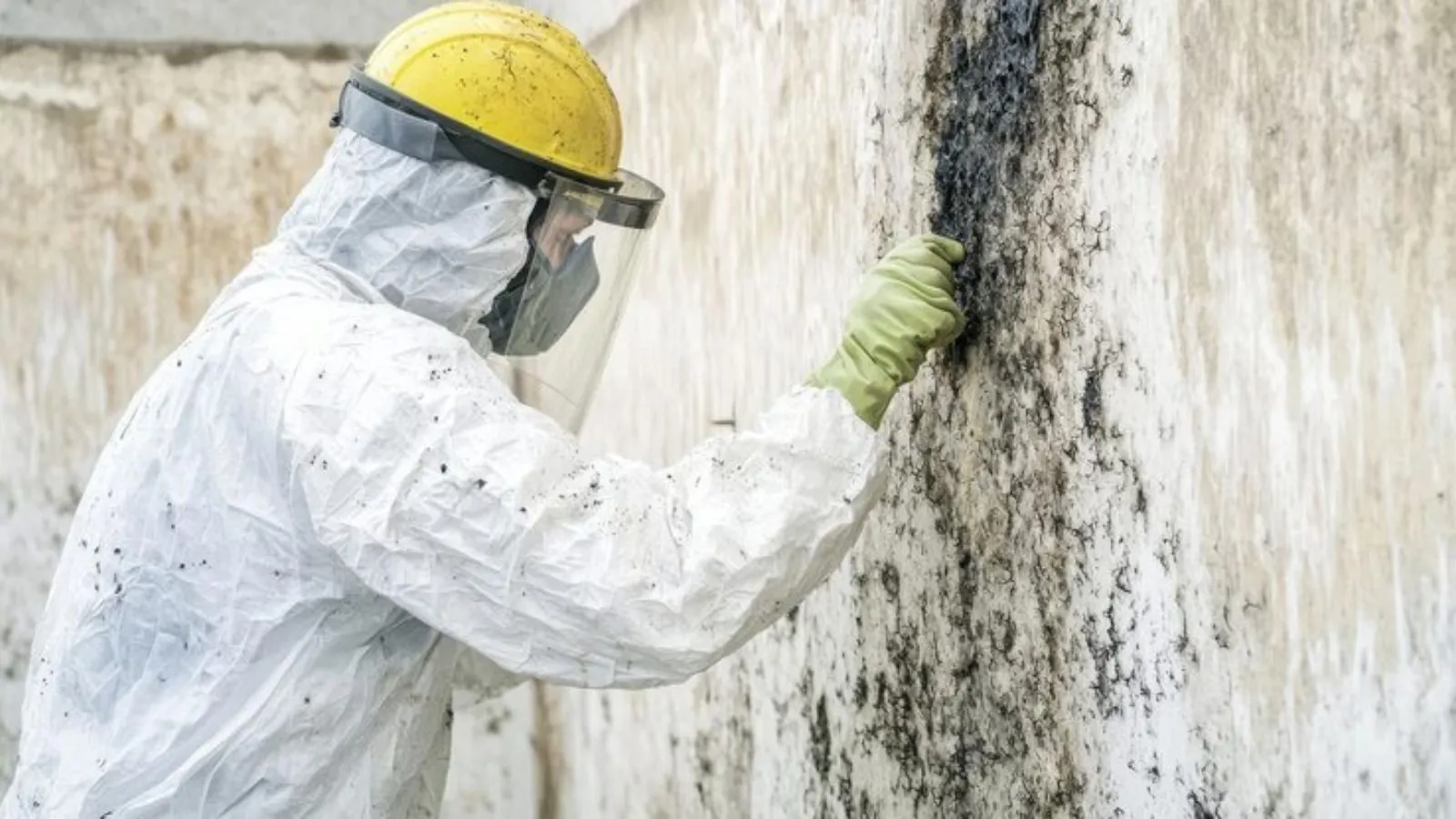
People search for whether basement mold is dangerous because they smell it, see it or have been told to worry about it. A restoration company is not the right source for medical answers. A physician is. What a restoration crew can explain is what mold is, why it grows and how to deal with it as a building problem.
This guide stays on the building side. It makes no health claims, and it points to public health agencies and your own doctor for questions about people.
What mold is
Mold is a type of fungus. Spores are present in most indoor and outdoor air in small numbers, and growth begins when spores land on a damp material that can feed them. Basements are common sites because they are cool and often damp.
Visible growth looks like spots or fuzzy patches in colors that range from white to green to black. Color is not a reliable guide to type, and you cannot identify a mold by looking at it.
Why a building owner takes it seriously
Even without making health claims, growth is a sign that a material has been wet for a while, and wet materials deteriorate. Drywall softens, wood can weaken, odors develop, and the problem can spread to other rooms. It also affects insurance claims and home sales.
Public agencies recommend fixing moisture problems and removing growth promptly. Follow their guidance, and ask your physician if you have concerns about indoor air.
Clues and what to do
| Clue | What it may mean | Action |
|---|---|---|
| Musty smell | Hidden moisture | Look for the source, read moisture |
| Bubbling paint | Water in the wall | Check for a leak |
| Visible spots | Surface growth or soiling | Inspect, fix moisture |
| Spots after flood | Contaminated materials | Call a crew |
Smell, stains and what they suggest
A persistent musty smell with no visible source usually means moisture somewhere out of sight, such as behind a wall or under flooring. Stains that grow, bubbling paint and peeling wallpaper point to water in the wall.
These clues are reasons to look, not proof of growth. A meter reading and an inspection tell you more than the smell does.
Testing and what it can tell you
Air and surface tests count spores and can compare indoor and outdoor samples. They do not tell you whether a particular person is affected. Testing is most useful after remediation, as clearance, and when the extent of hidden growth is unclear.
If you plan to test, hire a testing firm that is separate from the crew that cleans, to avoid conflicts of interest.
What to do now
Find and stop the moisture. Dry the space. Keep disturbed material to a minimum. If the area is small and on a hard surface, careful cleaning may be enough. If it is large or in walls, call a crew. See mold remediation and basement water damage cleanup.
If someone in your household has symptoms they connect to the house, speak to a physician.
Prevention in a basement
Keep humidity low, ventilate the space, fix leaks right away, direct downspouts away from the foundation and dry wet items within a day or two. A dehumidifier helps in a damp basement. Avoid carpet on a concrete floor that gets wet.
After any water event, dry the structure quickly. See structural drying for how crews do it.
What public agencies say, in general terms
Government and public health agencies publish guidance on indoor mold. In general they advise controlling moisture, cleaning or removing growth promptly and using protective equipment during cleanup. They also advise that people with health concerns talk to a physician.
You can read the guidance for yourself and decide what applies to your house. A restoration crew is a source for building steps, not medical answers.
When to act right away
Act quickly if growth followed a flood or sewage loss, if it covers a large area, if you smell a strong musty odor throughout the house or if the moisture source is still active. Waiting lets materials stay wet and the problem spread.
Even if you are not sure it is mold, a wet material is worth drying. See water extraction for the first step.
Keeping records of what you find
Photograph any growth, stains and the moisture source before anything changes. Note the date and what you did next. These records help with an insurance claim, with a contractor and with a future sale.
A damp Bergen County basement
Paramus sits on low ground along the Saddle River, with about 16 percent of its land in the floodplain according to the Bergen County hazard mitigation plan. Basements in Oradell and River Edge are near the Hackensack River and its reservoir. Check the FEMA flood map for your address.
Questions about this topic
Can I tell what kind of mold it is by color?
No. Color is not a reliable guide. A lab can identify a sample if needed.
Who answers health questions about mold?
A physician, and public health agencies. A restoration company does not.
Does every musty smell mean mold?
Not always, but it signals moisture. Look for the source.
Should I test the air first?
Testing is often most useful after remediation, as clearance.
Treat mold as a moisture problem first. If you find growth and are not sure how to handle it, call (833) 521-1033 and a dispatcher will explain what a crew does.