
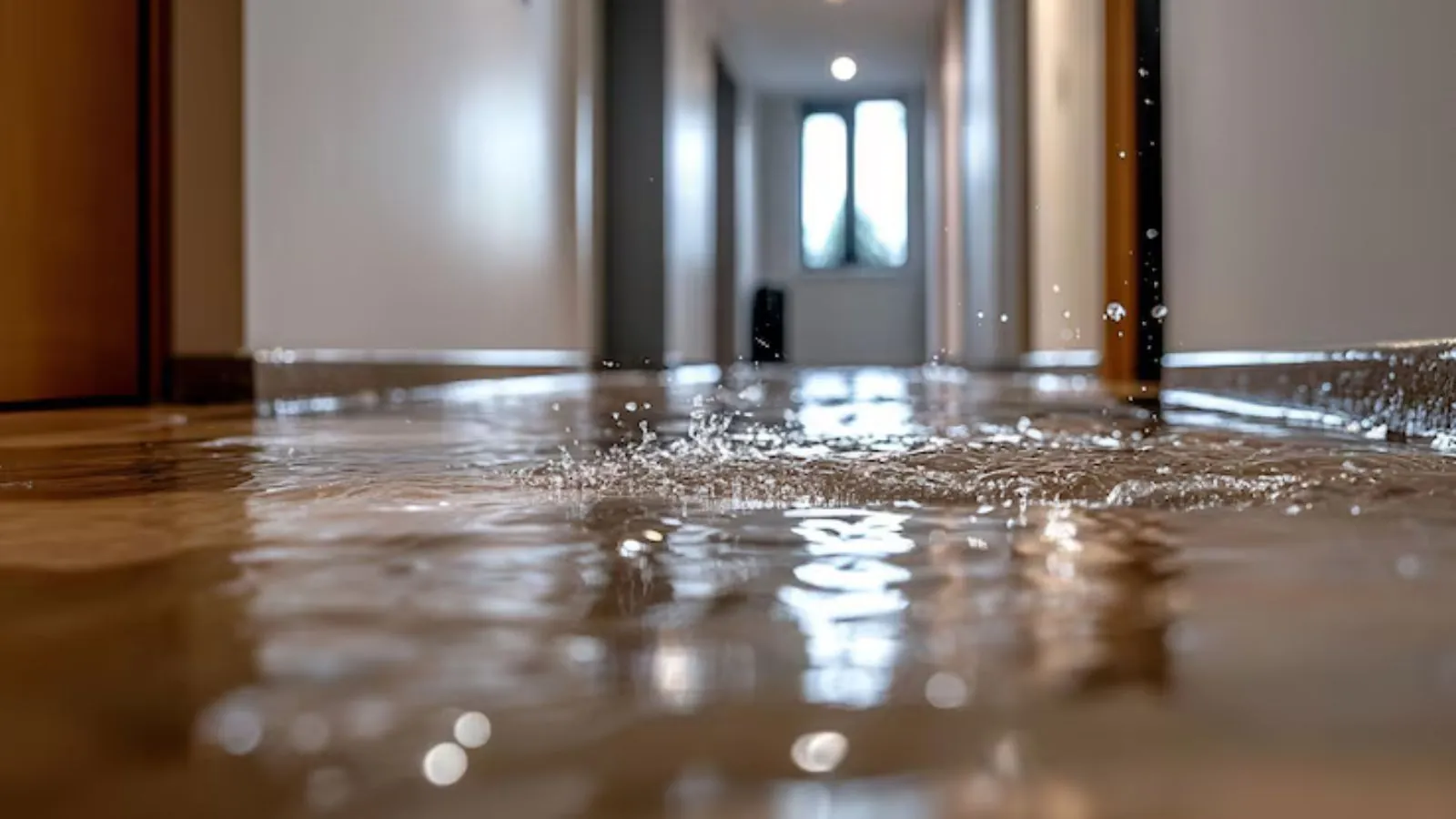
A water damage assessment is the first structured look at a wet building. It decides what can be dried, what must be removed and what equipment the job needs. It also starts the record you will use for your insurer.
This guide explains what a crew checks and why. It also covers what you can do to help, such as telling the crew when the water started.
Find and stop the source
The first question is where the water came from and whether it is still running. A supply line, a drain, a roof, an appliance or groundwater each call for different steps. A plumber or roofer may be needed to stop the source.
Tell the crew when the water started, because the time wet affects the plan.
Classify the water
ANSI/IICRC S500 describes water in three categories. Category 1 comes from a clean source such as a supply line. Category 2 has some contamination, such as washing machine discharge. Category 3 is grossly contaminated, such as sewage or floodwater.
The category decides which materials can be dried and which are removed. See sewage backup cleanup for category 3 work.
Map what is wet
The crew uses moisture meters and a thermal camera to mark wet areas on floors, walls and ceilings. This shows how far the water spread and which materials are affected. Meters and a thermal camera supply the readings.
Hidden areas such as wall cavities and subfloors get special attention.
Decide what stays and what goes
Clean, recently wet drywall and wood can often dry in place. Carpet pad, insulation and contaminated materials are usually removed. Hardwood depends on how fast the water was removed. See hardwood floor repair and carpet water damage.
The crew should explain each decision and the reason.
Write the plan
The plan lists equipment, steps and a schedule for readings. Scope and price should be explained before work starts, and you should know what the next visit will check. Ask for photos and a log.
Questions to ask during the assessment
Ask what category of water the crew believes it is and what that means for each material. Ask which items are likely to be removed and why, and which will be dried in place. Ask how many days of drying the crew expects, and what the readings will need to show before equipment is removed.
These questions are fair, and a crew that has done the assessment can answer them. Vague answers are a sign to ask again.
Information that speeds the assessment
Tell the crew when you first saw the water, where the main shutoff is and what you have already done. Mention any prior leaks in the same area, since old stains can confuse the readings. Note which rooms are finished and which hold stored items.
If you rent or manage a building, have the owner or property manager available, since they may have to authorize work. See commercial water damage restoration for business buildings.
Commercial and multi-unit buildings
In larger buildings the assessment also checks adjoining units, shared walls and ceilings below. Water that starts in one unit often shows up in another. The assessment may involve the building manager, the insurer for the building and tenants.
The same sequence applies. Find the source, classify the water, map what is wet and write the plan.
After the assessment
The assessment is not the end. Drying runs for days, and readings continue. The final visit confirms dryness, and then repairs begin. Ask who will be on each visit and how to reach them. If new damage appears, report it right away.
Keep the assessment paperwork. It becomes part of the claim file.
Why the first hours matter
Water moves quickly. Drywall wicks upward, carpet pad holds water against the subfloor and wood begins to swell within hours. Starting the assessment and extraction early limits what has to be replaced.
If the crew cannot arrive right away, take photos, stop the source and move belongings. Then call, so the dispatcher can plan the visit.
Photos that help the assessment
Take a wide shot of each wet room from the doorway, then close-ups of stains, standing water, the water line on walls and the source. Include a tape measure or a coin for scale if you can. Photograph from the same spots again after the crew sets equipment, so the record shows change over time.
Send the photos to your insurer as well, and keep the originals with their timestamps.
Assessment for a business or rental
Tenants and managers should note who authorizes work and who holds the insurance. Tell the crew about hours of operation, tenant access and any equipment that cannot be shut down. A written scope helps everyone agree on what is being done.
Assessments in northern New Jersey
Older houses in River Edge and Paramus often have plaster walls, stone basements and original plumbing, which affect the assessment. Mention the age of your home when you call.
Questions about this topic
Does an assessment cost anything?
Ask the crew about its process. Scope and price are explained before work starts.
How long does an assessment take?
It depends on the size of the loss. Larger buildings take longer.
Should I be present?
It helps. You can point out where the water started.
What should I have ready?
Photos, the time the water started and any plumber report.
An assessment is the base for everything else. If you have a wet building, call (833) 521-1033 and describe the source and the rooms affected.