
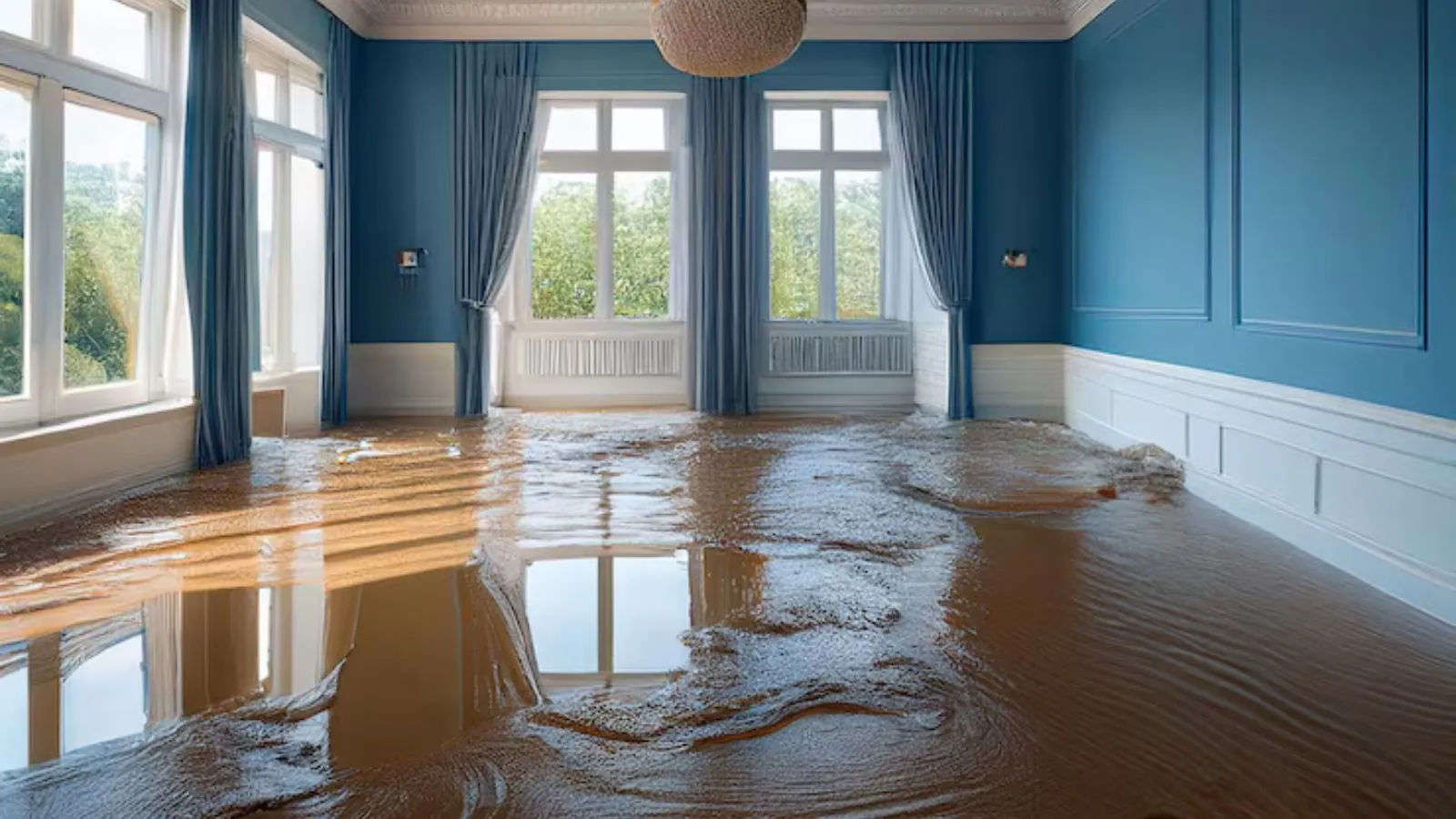
Filing a water damage claim involves two jobs running at once. One is protecting the house from further damage, and the other is documenting what happened. Doing both well in the first hours makes the rest of the process easier.
This guide follows the general steps recommended by the New Jersey Department of Banking and Insurance. It is not insurance advice, and your policy governs the details.
Step one: make it safe and stop the water
Shut off the water at the fixture or main, and keep people away from wet electrical equipment. If water is near the panel, call the utility or 911 about the electrical risk. Safety comes before any claim paperwork.
Stopping the source is part of the policy duty to limit further damage. A plumber may be needed to repair the line, and the invoice is worth keeping.
Step two: photograph and list
Take wide photos of each room and close-ups of the damage, the water line and the source. Short video helps. List damaged items with a rough age and value if you can. Do this before cleanup moves things around.
Keep damaged items you plan to claim until the adjuster has seen them or confirmed they can be discarded, and photograph before you throw anything away.
Claim documents to keep
| Item | Why |
|---|---|
| Photos and video | Show conditions before cleanup |
| Plumber or repair invoice | Shows the cause and the fix |
| Drying logs and readings | Show what was wet and when it was dry |
| Receipts | Support reimbursement requests |
| Call notes | Track who said what |
Step three: report the loss
Call your insurer or agent soon after the loss and ask for the claim number. Write down the date, the name of the person and what they said. Ask what the insurer wants you to do about drying and temporary repairs.
You are not required to use a contractor the insurer recommends, and you can ask for a copy of the damage estimate. If the insurer denies part of the claim, it must explain the exclusion.
Step four: start drying and keep records
Hire a crew to remove water and dry the structure, as described on water extraction and structural drying. Moisture readings, equipment logs and photographs create a record that shows what was wet and when it was dry.
Keep every receipt for temporary repairs, equipment, lodging if needed and supplies. Ask your insurer which expenses it will consider.
Step five: follow up in writing
After phone calls, send a short email summarizing what was said. Keep copies of everything. If the adjuster's estimate differs from the contractor's scope, ask for a written explanation of the difference.
Working with the adjuster
The adjuster inspects the damage and writes an estimate. Walk through the house with them and point out every wet area, including those that look minor. Share the moisture readings and photographs from the drying crew, since those show conditions that fade after drying.
If the estimate seems to leave out an item, ask in writing why. Sometimes an item was missed and sometimes there is a policy reason, and you will want to know which.
Temporary living costs and contents
If a room cannot be used during drying and repair, some policies include additional living expense coverage. Ask whether yours does, what it covers and what records it needs. Keep receipts for meals, lodging and laundry that you believe fit the policy.
For contents, make a list room by room. Include brand, age and where you bought each item if you remember. Photographs of undamaged areas help show what the room held before the loss.
When the claim stalls
Delays happen. Keep a log of calls and send follow-up emails. If the insurer denies part of the claim, it must explain the exclusion, and you can ask for the explanation in writing. The New Jersey Department of Banking and Insurance, at dobi.nj.gov, publishes consumer guidance and accepts complaints.
Meanwhile, do not let the house sit wet. Reasonable steps to prevent more damage are part of your duties, and drying records show you took them.
Common mistakes to avoid
Waiting days to call the insurer, throwing away damaged items before photographing them and letting the house sit wet are the mistakes that complicate claims most often. Another is signing a contract before understanding the scope.
Ask for scope and price to be explained before work starts, and keep a copy of whatever you sign.
Claims in the Paramus area
Many Bergen County homes have finished basements, so photograph the walls, floor and contents carefully. A sewer backup claim depends on whether you have an endorsement, and flood claims depend on flood coverage. Crews serving River Edge and Washington Township see the same claim questions as Paramus.
Questions about this topic
How long do I have to report a loss?
Report it as soon as you can. Your policy may state a time limit, so read it.
Can I throw away damaged items before the adjuster comes?
Photograph them first and ask the adjuster. Keep items you plan to claim until you have an answer.
Who pays for emergency drying?
That depends on your policy and the cause. Ask your insurer and keep receipts.
Do I need an estimate in writing?
Ask for one. The state guide says you may request a copy of the damage estimate.
A strong claim file is a boring one, with dated photos, receipts and notes. If water is still spreading, call (833) 521-1033 and a dispatcher will explain what the crew documents on arrival.