
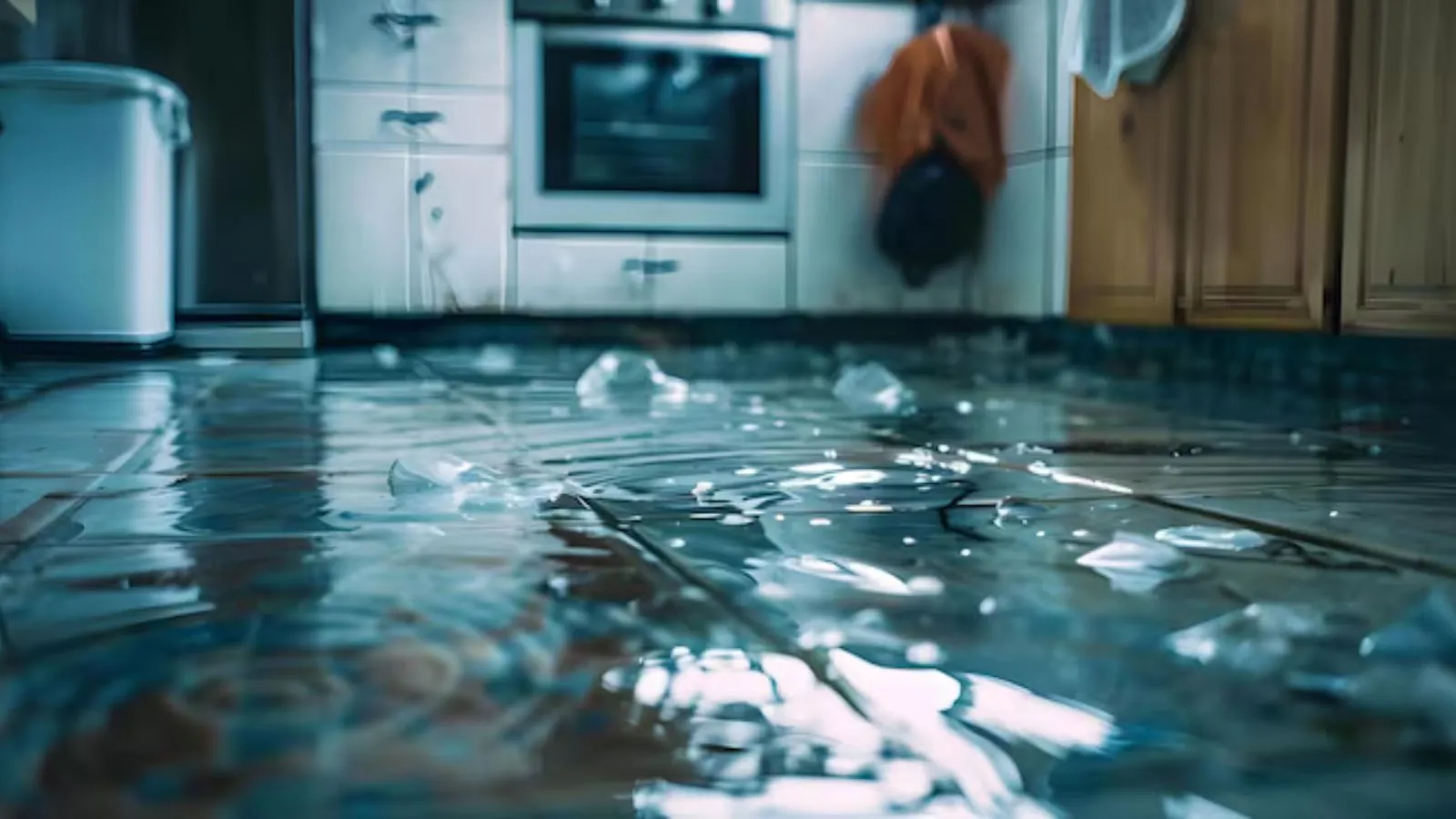
Electronics and appliances that got wet are a safety issue before they are a repair issue. Plugged-in devices, outlets and the electrical panel in a wet area can be a shock risk. The first rule is to stay safe.
This guide is general. An electrician or an appliance technician should check anything that got wet before you use it.
Safety before devices
Do not step in water if outlets, power strips or the panel may be live. If you can reach the main breaker from a dry spot, you may turn off power to the affected area. If you cannot, call the utility or 911 about the electrical risk.
Never touch a plugged-in device standing in water.
Unplug only when it is safe
Once the area is safe, unplug devices from the wall. Do not turn them on to see if they work. Water inside can short circuits and cause damage or a shock.
Remove batteries from remote controls, laptops and phones if you can do so safely.
What to do with wet electronics
| Item | Do | Do not |
|---|---|---|
| Phone or laptop | Power off, remove battery, dry | Charge it or heat it |
| TV or console | Unplug, let dry, call a technician | Turn on to test |
| Large appliance | Unplug, call a technician | Run it |
| Outlets | Call an electrician | Use them |
What to do with small devices
Wipe off water, remove covers and batteries and let items dry in a ventilated space. Do not use a hair dryer or an oven. Rice is not a reliable fix. A repair shop can open the device and clean the circuit board.
Data recovery is sometimes possible even if the device is not. Ask a specialist before attempting more.
Large appliances and outlets
Refrigerators, washers, dryers and ovens that were in water need a technician to check before use. Outlets and breakers that got wet should be inspected by an electrician, and wiring in wet walls may need replacement.
See appliance leak water damage for appliance-caused leaks.
Contaminated water changes the answer
If devices were in sewage or floodwater, they are typically discarded. Corrosion begins quickly. See sewage backup cleanup and flood damage restoration.
Keep a list and photographs for your insurer.
Drying the room around the electronics
Electronics sit in rooms that need drying too. Wet walls near outlets are a concern. A crew can dry the structure while an electrician checks the wiring. See structural drying.
Do not close walls over wet wiring.
Data and what to do about it
Photos, documents and accounts on a wet device may still be recoverable. Do not keep switching it on. A repair shop or data recovery specialist can often get files off a drive even when the device is dead. Make sure your cloud accounts are backed up.
Change passwords on a lost device if you are worried, and keep records for insurance.
Electrical panels and wiring
If water reached the panel, outlets or wiring inside walls, do not restore power until a licensed electrician inspects it. Wet insulation around wiring can also hold moisture. Drying the walls, as described on wall and drywall repair, goes hand in hand with the electrical check.
Ask the electrician to give you a written note of what was checked.
Documenting devices for insurance
List each device, its model and age, and photograph the damage and the label with the serial number. Keep purchase receipts if you have them. Some policies cover electronics up to a limit, and you may need to prove ownership.
Do not throw items away until your insurer says you can.
Small appliances and kitchen items
Toasters, coffee makers and blenders that got wet should be unplugged and not used until they are completely dry. Many cost little enough that replacement is easier than repair. Check the label for guidance from the maker.
Discard any appliance that touched sewage or floodwater.
Cords and power strips
Power strips and extension cords that were wet should be discarded, since internal corrosion can cause shorts later. Do not daisy-chain damaged cords to get a device running. Replace them with new ones once the room is dry and the wiring has been checked.
Surge protectors also have a limited life, and one that took water is finished.
Take photos before you power anything
Photograph the device where it sits, the label and the water line before moving it. This protects your claim, and it helps a repair shop understand what happened.
Power near storms and floods
Reports from Hurricane Irene in 2011 noted floodwater near downed wires in the Dunkerhook Road area of Paramus. After storms, stay away from water near wires. The same caution applies in Washington Township and the rest of Bergen County.
Questions about this topic
Is it safe to use a device that dried?
Have a technician check it. Hidden moisture can cause failures.
Does rice help?
It is not reliable. Disassembly and cleaning work better.
Should I turn off the main breaker?
If it is in a dry spot and you can reach it safely. Otherwise call the utility or 911.
Who checks the wiring?
A licensed electrician.
Safety first, devices second. If water is in the structure, call (833) 521-1033 so a crew can start drying while you arrange an electrician.