
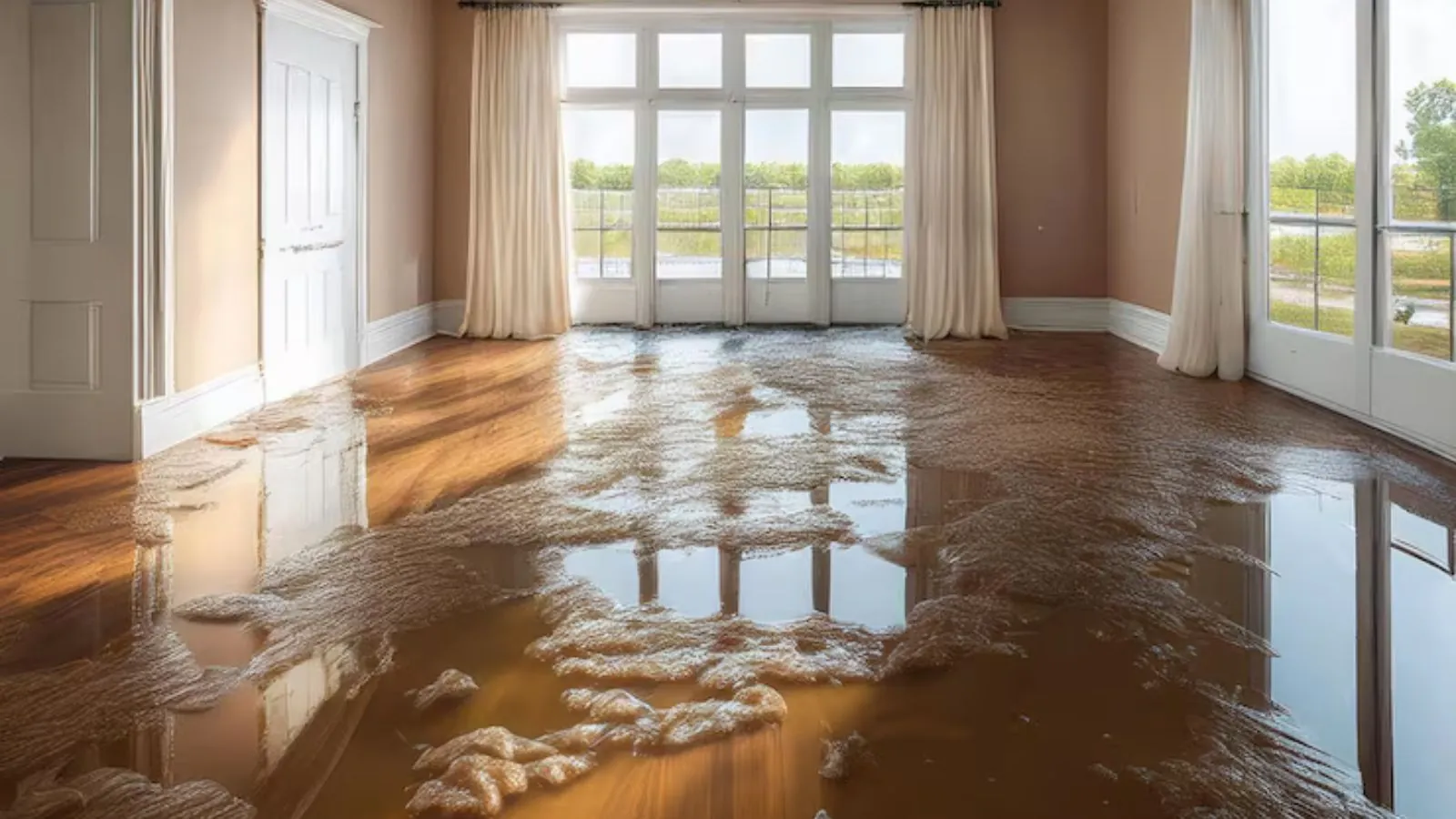
Estimates for water damage vary a great deal in detail. Some are a single line. Others list rooms, materials and equipment. A detailed estimate does not ensure a good job, but a vague one makes problems harder to resolve.
This guide lists what a clear scope should include. It does not quote any price, since losses vary.
Areas and measurements
The estimate should name the rooms and surfaces affected and give approximate measurements. It should describe the water source and category. If areas are uncertain until walls are opened, it should say so.
Walk through the rooms with the estimator and confirm the list.
Extraction and removal
Look for line items for water extraction, removal of wet materials such as pad, insulation and drywall and disposal. See water extraction and wall and drywall repair for typical steps.
The estimate should state what is removed and why.
Estimate checklist
| Item | What to look for |
|---|---|
| Areas | Rooms and measurements |
| Removal | What is removed and why |
| Equipment | Types and expected days |
| Records | Readings, photos and logs |
| Exclusions | Work not included |
Drying equipment and days
The estimate should list the equipment types and how many days they are expected to run. Drying days may change, and the estimate should say how changes are handled. It should state that readings will be taken and logged. See structural drying.
Equipment is typically monitored by the crew.
Cleaning and treatment
Cleaning, deodorizing and antimicrobial treatment steps should be listed where they apply. Sewage losses involve more. See sewage backup cleanup.
If mold is present, a separate scope and clearance testing may apply. See mold remediation.
Rebuild items and exclusions
If the company will rebuild, the estimate should list drywall, paint, flooring and trim. If not, it should say what is left to others. Exclusions, such as plumbing repair and electrical work, should be named.
Ask how hidden damage found later will be handled and how changes will be approved.
Terms, records and payment
Look for how work is approved, how insurance is handled and what records you will get. Do not sign until you understand the scope. Ask for photos, readings and logs at the end. You are not required to use any contractor your insurer recommends.
Never accept a promise of claim approval. Only your insurer decides.
Comparing two estimates
Put two estimates side by side. Check that they cover the same rooms and the same steps. A difference in numbers often reflects a difference in scope, such as one including pad removal and the other not. Ask each company to explain what it left out.
Do not choose on a single number. Choose the scope that matches what is wet.
Questions about changes
Hidden damage is common. Ask how a change in scope is communicated and approved. A good company calls you, explains what was found, shows photos and gets your approval before adding work.
Ask whether the estimate is revised in writing.
Insurance and the estimate
Your insurer may write its own estimate. The two may differ. Share the contractor scope, readings and photographs with the adjuster, and ask for a written explanation of any difference. See flood damage restoration for how large losses are scoped.
Remember that the insurer decides coverage, not the contractor.
Photographs and logs that belong in the file
The estimate should be backed by photographs of the damage before work begins. During the work, ask for moisture readings and equipment logs. At the end, ask for final readings and a summary. These records help the insurer, and they help you if a question arises later.
Keep them with the estimate and your receipts.
Red flags in an estimate
Be careful with an estimate that has no rooms listed, that lists only a lump sum, that refuses to explain equipment or that promises something outside the company's control, such as claim approval. Be careful if the estimate arrives without anyone having looked at the water.
You can always ask for a revised version.
What not to expect from an estimate
An estimate is a plan, not a promise. It cannot tell you exactly how many days drying will take, because readings decide. It cannot promise that insurance pays. It also cannot see hidden damage until walls and floors are opened.
Treat it as a document you will update with the crew as the work goes on.
Keeping the process on track
Ask for a contact person, a schedule of visits and a way to report concerns. Confirm each change in writing. If the plan changes, ask why. A company that explains itself at each step is easier to work with.
Estimates and local building types
Older homes in River Edge and Paramus have plaster, stone basements and original plumbing, which can change a scope. Ask the estimator to note the building type. Check the FEMA flood map for your address if flooding is part of the story.
Questions about this topic
Is a bigger estimate better?
Not necessarily. Compare what each includes.
Can the scope change?
Yes, if hidden damage is found. Ask how changes are approved.
Should the estimate be in writing?
Yes. Keep a copy.
Does an estimate mean the insurer will pay?
No. Only your insurer decides coverage.
A good estimate reads like a plan. If you want one explained, call (833) 521-1033 and a dispatcher will describe the scope before work starts.